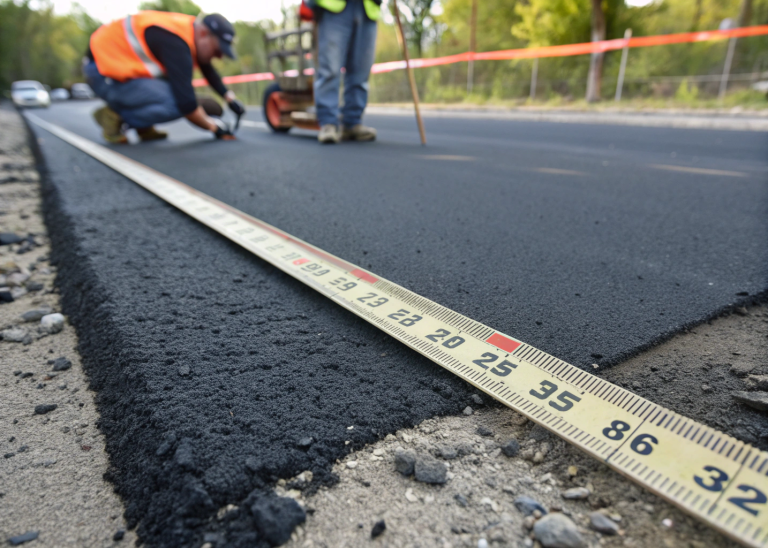
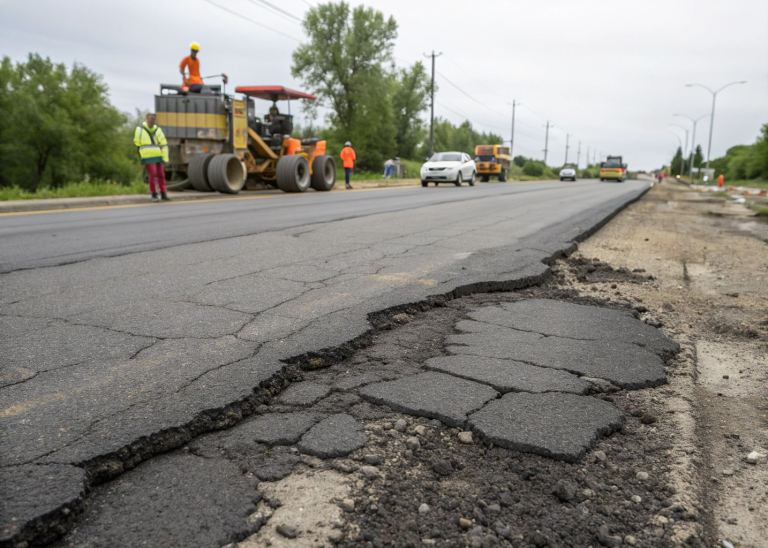
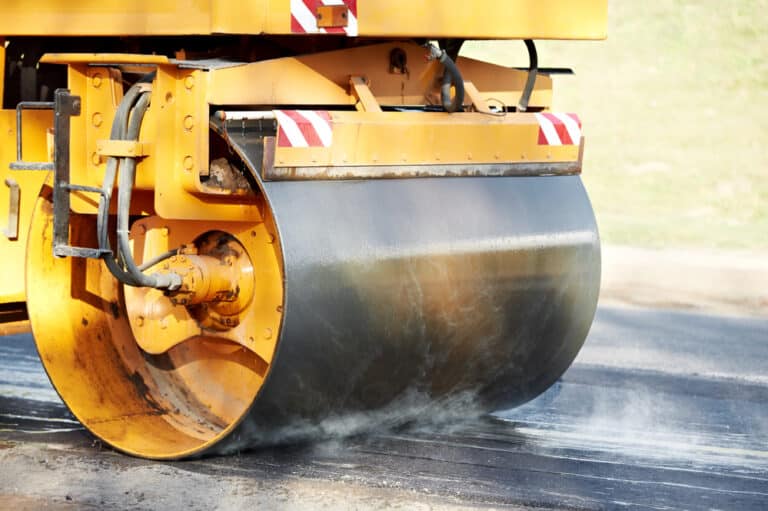
Asphalt recycling in New Orleans is rapidly advancing, offering cost-effective, high-performance, and environmentally responsible paving solutions. Modern technologies now allow recycled asphalt to match or exceed traditional materials, making it a smart choice for property owners in 2026.
New Orleans presents some of the most demanding conditions for pavement performance in the United States. Between intense heat, heavy rainfall, and unstable soil conditions, asphalt solutions must go beyond basic installation. Big Easy Asphalt recognizes that success in this environment requires smarter, more sustainable approaches—making asphalt recycling a leading solution for 2026.
Driven by rising material costs, environmental regulations, and technological innovation, recycled asphalt has evolved from a secondary option into a high-performance standard. Today’s advanced processes deliver durability, flexibility, and long-term value while significantly reducing environmental impact.
Why Asphalt Recycling Is Gaining Momentum
The Gulf Coast generates millions of tons of asphalt waste annually, much of which historically ended up in landfills. That dynamic is shifting due to several key drivers.
Rising costs of virgin asphalt materials have pushed contractors and property owners toward more economical alternatives. At the same time, updated infrastructure policies in Louisiana now support higher percentages of recycled materials in both public and private projects. These regulatory changes, combined with improved engineering standards, have legitimized asphalt recycling as a reliable and scalable solution.
Most importantly, modern recycling technologies now ensure that performance is not compromised. In fact, in many cases, recycled asphalt delivers superior resistance to cracking, moisture damage, and traffic wear—critical factors in New Orleans’ climate.
Warm-Mix Asphalt Recycling Technologies
 Warm-mix asphalt has become a cornerstone of sustainable paving. Unlike traditional hot-mix asphalt, which requires extremely high temperatures, warm-mix technology operates at significantly lower heat levels.
This reduction translates directly into lower fuel consumption, reduced emissions, and improved workability. Contractors benefit from extended paving seasons and more consistent application, while property owners see measurable cost savings without sacrificing quality.
In high-moisture environments like New Orleans, warm-mix asphalt also improves resistance to water infiltration—an essential advantage for long-term pavement performance.
Bio-Rejuvenator Additives Revolution
One of the most impactful innovations in asphalt recycling is the use of bio-rejuvenators. These additives restore the natural oils lost in aged asphalt, bringing flexibility and durability back to recycled materials.
Derived from renewable sources such as vegetable oils, wood byproducts, and other organic compounds, bio-rejuvenators enhance performance while supporting sustainability goals. They allow for higher recycled content without compromising structural integrity, making them ideal for both residential and commercial applications.
In a region exposed to intense UV radiation and oxidation, these additives play a critical role in extending pavement lifespan and maintaining surface quality.
Mobile Recycling Units Transform Efficiency
Mobile asphalt recycling units are redefining how projects are executed. Instead of transporting materials to and from processing plants, contractors can now recycle asphalt directly on-site.
This approach significantly reduces transportation costs, shortens project timelines, and minimizes environmental impact. It also allows for real-time quality control, ensuring that materials meet specifications throughout the process.
For large-scale properties such as parking lots, subdivisions, and commercial developments, mobile recycling offers unmatched efficiency and cost-effectiveness.
Foam-Based Cold Recycling Systems
Cold in-place recycling using foam technology represents a major advancement in pavement rehabilitation. This method processes existing asphalt at ambient temperatures, eliminating the need for high-energy heating.
The foaming process improves binder distribution, resulting in a strong, uniform pavement structure. This is particularly beneficial in New Orleans, where unstable subgrades and water retention often compromise traditional paving methods.
By reinforcing the entire pavement system—from surface to base—foam-based recycling delivers long-lasting performance at a lower overall cost.
High-RAP Mix Designs Become Standard
Reclaimed Asphalt Pavement (RAP) is now being used at levels exceeding 50% in many projects. This marks a significant shift from previous limitations and reflects advancements in material testing, mix design, and quality control.
High-RAP mixes reduce reliance on virgin materials while maintaining strength and durability. With proper engineering and the use of rejuvenators, these mixes perform exceptionally well under heavy traffic and challenging environmental conditions.
For property owners, this translates into reduced project costs and improved sustainability without compromising quality.
Rubberized Asphalt from Recycled Tires
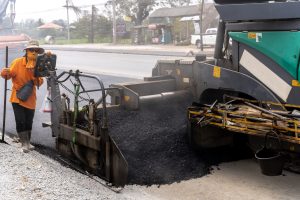
The integration of recycled tire rubber into asphalt mixtures is gaining traction across Louisiana. This innovation not only addresses waste management challenges but also enhances pavement performance.
Rubberized asphalt improves flexibility, reduces road noise, and increases resistance to cracking and water damage. These benefits are especially valuable in areas prone to ground movement and heavy rainfall.
Although initial costs may be slightly higher, the extended lifespan and reduced maintenance requirements result in strong long-term value.
Digital Quality Control and Smart Mix Optimization
Technology is playing a transformative role in asphalt recycling. Modern systems now allow contractors to monitor material properties in real time, ensuring consistency and precision throughout the paving process.
Advanced software tools optimize mix designs based on live data, adjusting for variables such as moisture content and aggregate composition. This level of control reduces errors, improves durability, and increases confidence in recycled materials.
For clients, this means higher-quality results and fewer long-term issues.
How to Choose the Right Recycling Solution
Selecting the best asphalt recycling method depends on several factors, including pavement condition, traffic load, and project size. Not all techniques are suitable for every situation.
A thorough site assessment is essential to determine whether recycling is viable and which method will deliver the best results. Working with experienced contractors ensures that the chosen approach aligns with both performance requirements and budget constraints.
It is also important to evaluate long-term value rather than focusing solely on upfront costs. Properly executed recycled asphalt projects often outperform traditional installations over time.
Conclusion: The Future of Asphalt Is Sustainable
Asphalt recycling in New Orleans has reached a point where it is no longer an alternative—it is a preferred solution. With advancements in warm-mix technology, bio-rejuvenators, mobile processing, and digital optimization, recycled asphalt now delivers exceptional performance and sustainability.
Big Easy Asphalt is at the forefront of this transformation, providing innovative paving solutions that meet the unique demands of the region. If you are planning a new project or upgrading existing pavement, now is the time to explore high-performance recycled asphalt options.
Contact Big Easy Asphalt today to discuss your project and discover how modern asphalt recycling can deliver long-lasting, cost-effective results.
Frequently Asked Questions
What is asphalt recycling, and why is it important?
Asphalt recycling involves reusing existing pavement materials to create new asphalt mixes. It reduces waste, lowers costs, and minimizes environmental impact while maintaining high performance.
How long does recycled asphalt last?
When properly designed and installed, recycled asphalt can last 10–15 years or more, comparable to or even exceeding traditional asphalt.
Is recycled asphalt suitable for heavy traffic areas?
Yes. High-quality recycled asphalt with proper additives and engineering can handle heavy traffic loads, including commercial and industrial applications.
Does recycled asphalt cost less than new asphalt?
In most cases, recycled asphalt reduces project costs by 15–35%, depending on project size, materials, and methods used.
Is recycled asphalt environmentally friendly?
Absolutely. It reduces landfill waste, conserves natural resources, and lowers carbon emissions, making it a sustainable paving solution.
Does recycled asphalt require special maintenance?
No. Maintenance requirements are similar to traditional asphalt, including sealcoating, crack sealing, and proper drainage management.