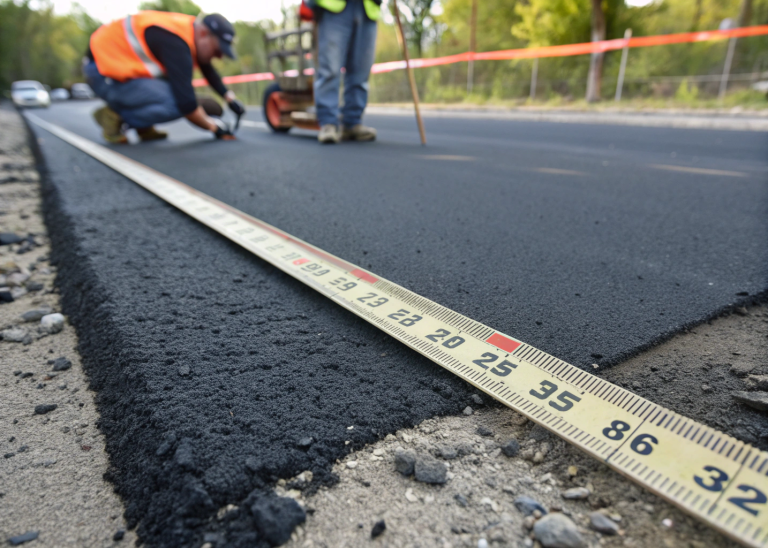
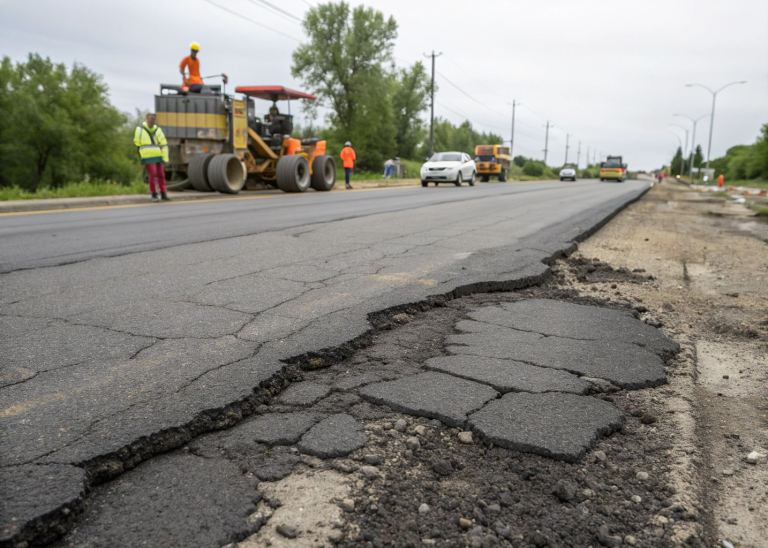
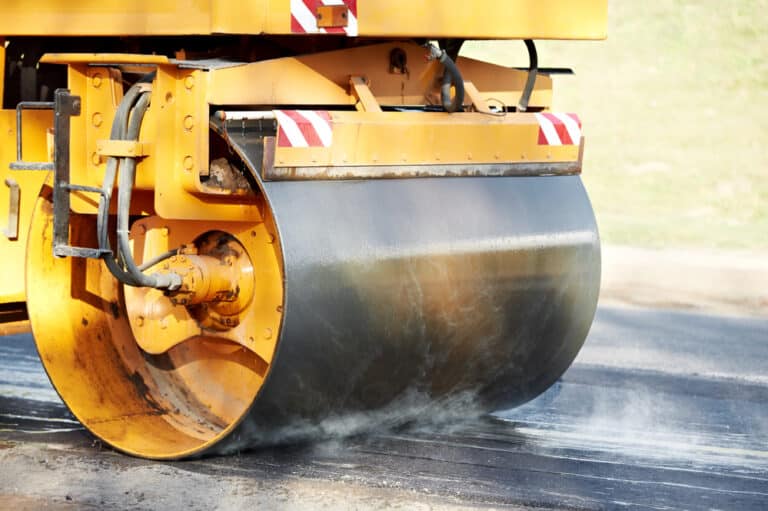
Preparing your site right is half the battle for a smooth asphalt job. This usually involves clearing, grading for drainage, and compaction of the subgrade. For bigger jobs, soil testing and base layer installation may be required as well. Knowing these steps prepares the way for a strong and productive asphalt surface. For better assistance, you can count on us at Big Easy Asphalt to do the project for you.
Key Takeaways
- Get your site ready to lay down fresh asphalt with these essential tips. Tackle drainage and soil problems now for lasting performance.
- A stable foundation – that is, grading, compaction, and quality materials – increases asphalt’s service life, reducing hazards like potholes and surface damage.
- These techniques, including proof rolling and treating weak spots, fine-tune asphalt for heavy loads and high traffic.
- Preparing your site for a smooth asphalt install is the key to a clean, beautiful finish. Cleaning up debris and providing even transitions makes for improved functionality and curb appeal.
- Comprehensive site preparation and contractor coordination minimize delays, control costs, and guarantee a project well done. Communicate with stakeholders for transparency.
- Spending a little extra for good preparation up front saves money in the long run by decreasing maintenance and increasing the lifespan of your asphalt.
Why Preparation is Paramount
 Adequate site preparation is necessary for proper asphalt installation. It provides a functioning, durable, and appealing surface while preventing expensive repairs down the road. By dealing with driver and suspension problems and preparing ahead of time, you provide a foundation that will survive traffic and weather over the years.
Extending Longevity
To prolong the lifespan of asphalt pavements, begin by ensuring a level terrain, inspecting for drainage problems, and soft ground. Fill weak spots with solid aggregate to avoid cracking or potholing.
Compacting the sub-base correctly is important; loose or inadequately compacted bases can create settling and surface depressions. Insist on quality material and professional work, and do seasonally required maintenance such as sealing cracks and sweeping off debris to ensure integrity. Fixing soft spots and investing in preparation make future issues much less likely.
Improving Performance
Grade the site marginally (1–2%) to achieve good water runoff. Compact the sub-base to bear heavy loads and fill up unstable soil with aggregate. Use drainage solutions to prevent water pooling and destruction. Correct grading and compaction ensure stability, while drainage methods such as French drains prevent pooling. Maintaining the soil ensures asphalt layers remain stable under heavy traffic.
Enhancing Aesthetics
 Start with cleaning, scraping, or stripping the surface to start afresh. Level and compact the sub-base to create a smooth finish, which will allow for smooth transitions from asphalt to sidewalks or curbs for improved curb appeal. Soil issues are solved to avoid cracking and maintain the surface as visually appealing.
Cost-Effectiveness
Investment in good drainage and foundation earlier on saves money by preventing expensive repairs down the line. A long-lasting surface minimizes replacements, offering more value for your money.
How to Prepare Your Site
Good site preparation is important to have a smooth and long-lasting asphalt surface. It gives a solid foundation, good drainage, and a smooth installation. Below are the most important steps to good site preparation:
1. Clear the Area
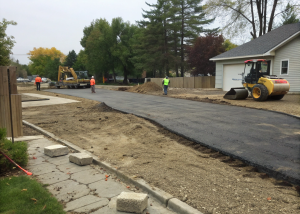 Start by removing debris, dirt, and loose gravel. Relocate vehicles and furniture to clear the space, and trim grass or weeds for a clean edge. Arrange backup parking options for residents and visitors during the process.
2. Demolish and Remove
Remove old blacktop, concrete, or unsuitable materials to provide a solid base. Use heavy equipment for quick demolition and responsibly dispose of materials to reduce waste and costs. Address any issues like tree roots or poor drainage at this stage.
3. Establish the Grade
Create a well-graded surface for proper drainage and longevity. Ensure the ground slopes away from the pavement to prevent water pooling, which can cause cracks and potholes. Use grading equipment to smooth transitions and check compliance with local drainage codes.
4. Build the Sub-Base
Lay down a deep layer of gravel or stone aggregate for the base. Compact it with a roller truck to eliminate soft spots, as an unstable sub-base can damage the asphalt. Engineer the sub-base to support the expected traffic and include drainage solutions.
5. Proof Roll the Foundation
Test the base by driving a loaded truck over it. Quickly repair any soft spots to ensure the base can handle heavy loads and prolonged use.
Coordinate for Success
Preparing your site for asphalt requires collaboration among all parties. With proper planning and communication, we can ensure an efficient, timely, and high-quality project. Here are essential actions for coordinating success.
Collaborate with Contractors
 Working with experienced contractors is vital for a successful asphalt installation. Discuss the project schedule, materials, and any specific site needs upfront. Address potential issues, like drainage problems, early to avoid complications later.
Contractors can identify and suggest solutions for challenges related to weather or site preparation, ensuring proper grading and compaction, which affects the longevity of your asphalt.
Plan Access
Strategize access for construction vehicles to prevent logistical issues. Mark areas for material deliveries and machine operations. Coordinate with tenants or employees to minimize disruptions, such as reserving temporary parking or rerouting traffic. Establish safe paths for both workers and drivers.
Notify Stakeholders
Open communication with stakeholders is crucial for smooth project execution. Inform residents, employees, or customers in advance about project timelines, parking alternatives, and restricted zones. Addressing questions and concerns fosters trust and minimizes business impact, like providing clear parking directions during repaving.
Make The Needed Preparation For Better Asphalt Installation
A well-prepared site for asphalt installation makes a significant difference. A clean, level area leads to better outcomes and durable pavement. Skipping steps or rushing can result in cracks and costly repairs.
Attention to detail, effective contractor coordination, and proactive communication save time and money. Your preparation efforts will yield resilient, low-maintenance asphalt. If you’re ready to begin or need guidance, consult with us at Big Easy Asphalt—early planning can lead to substantial benefits.