Asphalt installation is a job that requires experience and knowledge. Bad prep, wrong materials, or cheap compaction will come back and bite you in the wallet. From driveways to parking lots, knowing the major mistakes guarantees smoother projects and stronger outcomes.
So, in this handy guide, we outline the top 7 mistakes to avoid when installing asphalt, allowing both property owners and contractors to save time, money, and effort. So let’s dig into these key pointers. For more clarity, you can reach out to us at Big Easy Asphalt.
Key Takeaways
- Asphalt needs a solid base. Proper groundwork keeps cracking, shifting, and uneven surfaces at bay, saving you expensive repairs down the road.
- Stabilizing the subgrade by removing loose soil, solving weak spots, and testing the conditions provides a solid foundation for installing asphalt.
- Proper grading is key to drainage and longevity. Proper slopes keep water from pooling, a major cause of early damage.
- Selecting the appropriate base material and compacting it well improves structural integrity and guarantees the asphalt can support traffic loads.
- Steer clear of typical installation blunders like inadequate compaction, uneven thickness, or paving in inclement weather – they weaken your asphalt’s durability and finish.
- Hiring a professional contractor with proven experience, a great portfolio, and clear estimates guarantees you a successful and long-lasting asphalt project.
The Foundation’s Role
 A solid foundation is essential for quality asphalt. Just like a building, it must be well-constructed to handle daily pressures. Neglecting this can lead to cracks and uneven surfaces, shortening pavement life. Proper foundation preparation reduces repair costs and extends durability.
Subgrade Stability
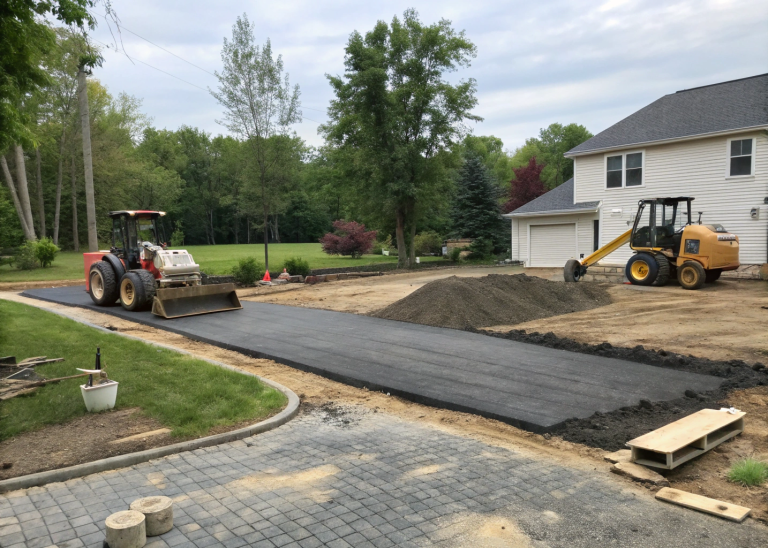
Clear the subgrade of loose soil, debris, and moisture. Identify and replace weak spots. Ensure the subgrade is clean and compacted, and test the soil for stability needs, such as geotextiles or additives. Without proper stability, asphalt can fail prematurely, causing uneven surfaces and drainage problems.
Proper Grading
Ensure proper grading so water drains away from the asphalt rather than pooling. Correct slopes are crucial and require professional grading equipment. Poor grading can lead to water issues, compromising the foundation and causing damage. Confirm that grading aligns with the design for asphalt integrity.
Base Material
Choose the right base material for strength and durability:
- Crushed Stone: High strength, excellent durability, moderate cost.
- Gravel: Medium strength, good durability, affordable.
- Recycled Concrete: Medium-high strength, good durability, cost-efficient.
A thick, compact base layer distributes traffic loads and improves longevity. Matching base material to soil and environment ensures stable, long-lasting results.
7 Common Installation Errors
Exactly what you’d expect from a professional-grade asphalt installation. Installation errors not only affect the surface’s strength but also cause higher maintenance costs in the long run. Here, we tackle 7 common installation mistakes that can make or break asphalt quality and provide tips to sidestep them.
1. Poor Groundwork
A solid foundation starts with removing debris, leveling the ground, and tackling soil stability. If the subgrade is weak or uneven, the asphalt will ultimately crack, sag, or even potholes. For instance, disregarding soft spots in your soil can result in sinking spots under heavy traffic. Smart installation starts with the right foundation.
2. Wrong Material
Picking the wrong asphalt mix – This typically leads to early failure. To illustrate, employing a standard mix in high-traffic zones results in rutting. Severe weather, such as extreme heat or freezing temperatures, can accelerate the degradation of low-grade materials. Every project demands a special blend for its traffic and climate. Experienced contractors help you avoid expensive mistakes at this stage.
3. Insufficient Compaction
 Poor compaction causes pockets of air to reduce strength at the surface. Without adequate density, the asphalt cracks and drains poorly.
Each layer should be compacted with the proper equipment, such as vibratory rollers. Hurried processes designed to save time undermine the structure and guarantee a higher probability of blowing it.
4. Ignoring Weather
Weather is critical to asphalt workability. Paving in heavy rain or extreme cold doesn’t allow the materials to bond and cure properly. Preferable temperatures are in the range of 10°C to 29°C (50°F to 85°F). Planning projects around good conditions makes for long-term durability and low repair requirements.
5. Inconsistent Thickness
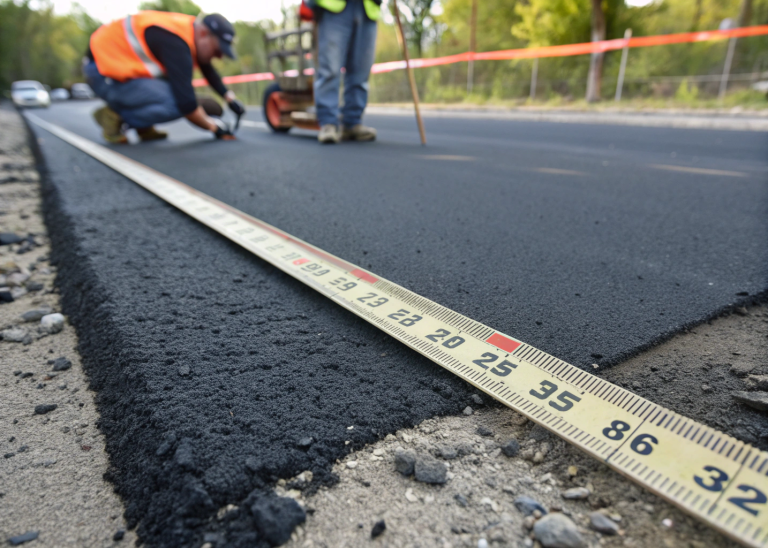
Uneven asphalt layers form weak spots and uneven wear. Thin sections crack, thick sections settle. Periodic checks during installation avoid this, making sure your thickness is consistent throughout.
6. Poor Seams
If the seams are not properly joined, water seeps in and weakens the pavement. Gaps or rough edges around seams speed surface degradation. Professional-grade tools guarantee seamless transitions and avoid expensive fixes.
7. Rushed Curing
It’s important to let the asphalt cure for strength. Early traffic on surfaces can cause deformation/cracking. If you’re like most homeowners, your driveway wasn’t installed overnight.
Choosing Your Installer
Choosing the right asphalt installer is crucial for your project’s success. Quality workmanship impacts pavement durability, and installation mistakes can lead to uneven surfaces, cracks, and costly repairs. An experienced professional will ensure proper site preparation, material selection, and installation techniques for a lasting result.
Verify Credentials
Start by checking the contractor’s licensing, certifications, and insurance to protect yourself from liability and ensure they meet industry standards. A local licensed installer will be familiar with your area’s regulations, such as drainage and zoning laws.
Experience is essential too; choose a contractor who has completed similar projects, like a residential driveway rather than large industrial jobs. Look for reviews and testimonials to assess their reliability and skills. Lastly, confirm that they adhere to local and international paving standards.
Review Portfolio
Request a portfolio of completed projects to evaluate their workmanship. A professional installer should display smooth, uniformly compacted asphalt with no cracks. Look for examples comparable to your project—whether it’s a driveway or a parking lot—and ensure their work meets your standards. Consistency across various projects indicates expertise.
Understand Quotes
Examine the quote’s details, including materials, labor, equipment, and any additional charges like permits or disposal fees. Ensure everything aligns with your project’s scope, including site preparation and asphalt thickness, to avoid hidden fees that could inflate the final cost.
Get Proper Installation By Trusting Us With Your Asphalt Installation
Proper asphalt installation from the start is key to preventing issues like cracks and uneven surfaces, which can lead to expensive repairs. Avoiding common pitfalls saves you time, money, and frustration. We’re here to help property owners make informed decisions for driveways, parking lots, or roadways.
Investing in skilled installers and quality materials ensures a smooth process and great results. If you’re planning an asphalt project, contact us at Big Easy Asphalt for professional guidance and assistance.